Are DuroMax Generators Reliable?
Yes, DuroMax generators are generally reliable for home backup and job site use, with a long track record of dual and tri-fuel models built around simple, serviceable engines. The bigger question is which model and fuel you choose, since reliability follows the parts, the load, and the upkeep.
On this page (7 sections)
- Are DuroMax generators reliable compared with other brands?
- What makes a generator reliable in the first place?
- Which DuroMax features improve reliability?
- How do DuroMax models compare with the alternatives?
- Are DuroMax inverters as reliable as their open-frame units?
- What maintenance keeps a DuroMax running?
- Is a DuroMax the right generator for your home?
Yes, DuroMax generators are generally reliable for home backup and job site work, thanks to simple engines, dual and tri-fuel options, and transfer-switch-ready panels. Reliability mostly comes down to the model you pick, how you size it, and whether you maintain it.
The brand has built portable generators for years, and the line covers small inverters up to large home backup units. That range means two DuroMax units can differ a lot in how they hold up.
The rest of this guide explains what actually drives reliability, so you can judge a specific model instead of the name.
Are DuroMax generators reliable compared with other brands?
Broadly yes, and they sit in the same reliability band as WEN, Champion, and Westinghouse. Each brand builds some units better than others, so model choice matters more than the badge.
The things that make a generator dependable are the same across brands. You want a proven engine design, clean power for electronics, a fuel system that doesn't gum up, and parts you can actually find.
DuroMax checks most of those boxes on its mainstream home backup models.
Where the brands differ is in the details. Some lean on tri-fuel flexibility, others on quiet inverter output or remote start.
We compared the specs people care about, and the honest answer is that no single brand wins every category.
If you're weighing options, our guide to the best generator for home backup breaks down which features matter for which household.
What makes a generator reliable in the first place?
Reliability comes from four things: a strong engine, clean fuel, correct sizing, and steady maintenance. A generator that's overloaded or fed stale gas will fail no matter who made it.
Engine and build quality
A larger displacement engine runs at lower stress for the same output, which usually means longer life. A 550cc engine doing 11,500 watts is working less hard than a smaller engine pushed to the same number.
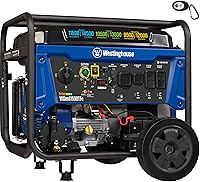
Copper windings and pressure lubrication also help. Westinghouse says its tri-fuel unit uses pressure lubrication and a reusable oil screen to keep oil clean and cut wear.
The same unit lists copper windings, which run cooler than the alternative and last longer.
Small details add up too. Automatic voltage regulation, overload protection, a fuel gauge, and an hour meter all show up on the spec sheets of the better units in this class.
None of them fix a bad engine, but together they keep a good one from being pushed past its limits.
Fuel type
Propane and natural gas don't go stale the way gasoline does. That single fact removes the most common cause of small-engine failure: old fuel sitting in the carburetor.
Tri-fuel units let you keep gasoline as a backup while running on propane most of the year. You lose some wattage on gas fuels, but you gain a machine that starts when you need it.
Sizing and load
An oversized generator wastes fuel and runs inefficiently. An undersized one trips breakers or overheats.
Match running watts to your essentials and leave headroom for surge.
Not sure how much you need? Our explainer on what a 3000 watt generator can run shows how loads add up in a real outage.
The WEN TF-1450X is rated 11,500 running watts on gasoline, 10,300 on propane and 8,750 on natural gas. That gap is why sizing has to account for the fuel you'll actually use during an outage, not the best-case gasoline number.
Maintenance
Oil changes, fresh fuel, and a monthly run under load prevent most breakdowns. Store the unit dry, keep the air filter clean, and check the oil before storm season.
Which DuroMax features improve reliability?
CO shutdown, electric start, low-oil protection, and transfer-switch-ready outlets all reduce failure risk. They protect the engine, the user, or both.
The CO shutdown sensor is the safety feature that matters most. It cuts the engine if carbon monoxide builds up, which protects your family in a way older generators never did.
WEN and Westinghouse both ship this on their tri-fuel units.
Low-oil shutdown saves engines from running dry. Electric and remote start cut the wear and frustration of repeated pull-starting, and a transfer switch lets you power the panel cleanly instead of running extension cords everywhere.
Outlet count and type matter for reliability in a practical sense. The WEN TF-1450X has four 120V 5-20R outlets, a 30A L14-30R, and a 50A 14-50R, so you can spread the load across circuits instead of daisy-chaining everything through one cord.
Spreading the load keeps any single circuit from running hot.
Remote start is worth a mention too. The Westinghouse unit ships with a key fob, so you can start the generator without walking out into a storm.
That's convenience more than durability, but it means the unit gets exercised more often, and an exercised generator is a reliable one.
If outages are your main concern, our roundup of the best generator for a power outage covers the models that handle multi-day runs well.
How do DuroMax models compare with the alternatives?
DuroMax holds its own on tri-fuel flexibility and price, while WEN and Westinghouse compete on engine size, runtime, and remote start. Compare the specs side by side before you commit.
Two tri-fuel units show how close this class is. The Westinghouse 14500W Tri-Fuel pairs a 550cc engine with pressure lubrication, less than 5% THD, remote start, and up to 19 hours at quarter load on a 9.5-gallon tank.
That combination makes it a strong home backup pick.
The WEN 14500W Tri-Fuel matches the wattage on gasoline and adds natural gas support, CO Watchdog, and a 50A transfer-switch-ready outlet. Its 8.2-gallon tank gives up to 12 hours at half load.
For smaller loads, the WEN 4800W Dual Fuel RV Inverter runs quiet, produces clean power, and has a fuel shut-off that limits carburetor trouble. Its 224cc engine weighs 78.5 pounds and ships with a TT-30R RV receptacle, two USB ports, and a tool-free propane quick-connector.
A DuroMax tri-fuel unit competes directly with these two. Its reliability will track the same rules: engine size, fuel choice, and upkeep.
Are DuroMax inverters as reliable as their open-frame units?
Inverter models are reliable for smaller loads, and they add clean power and quieter running. They suit electronics, RVs, and light backup rather than whole-home service.
Inverters convert engine output to steady power, which protects laptops, phones, and TVs. WEN's 4800W dual fuel model limits total harmonic distortion to under 1.2% at full load, which is well within safe range for sensitive gear.
The trade-off is capacity. An inverter in this class runs a fridge, lights, and a few small devices, not a furnace and a well pump together.
For whole-home backup, an open-frame tri-fuel unit is the better fit. A 4800-watt inverter simply isn't in the same weight class as a 14,500-watt open-frame unit, and no amount of build quality closes that gap.
Inverter units are also easier to live with during long outages. They're quieter and lighter, so you can move them away from the house and keep the noise down at night.
The WEN model runs at a modest 62 decibels at quarter load, and it rolls on onboard wheels with a telescoping pull handle.
One maintenance feature worth noting on inverted units is a fuel shut-off. It lets the engine burn the fuel left in the carburetor before stopping, which fights the buildup that causes most no-start problems after storage.
What maintenance keeps a DuroMax running?
Change the oil on schedule, run it monthly under load, and never store it with old gasoline. Those three habits prevent most failures.
Change the oil after the first break-in period, then follow the interval in the manual. Check the level before every long run; low-oil shutdown is a safety net, not a maintenance plan.
Exercise the generator once a month for about 30 minutes with a real load attached. This keeps seals wet, burns off moisture, and confirms it will start during a storm.
For gas models, add fuel stabilizer and run the carburetor dry before storage. Propane and natural gas avoid this problem entirely, which is a quiet reliability advantage.
The onboard meter helps here. The WEN TF-1450X display shows voltage, frequency, total runtime, and session runtime, so you can track hours and know when an oil change is due instead of guessing from memory.
Is a DuroMax the right generator for your home?
Choose a DuroMax if you want tri-fuel flexibility and transfer-switch-ready power at a fair price. Compare the specific model's outlets and running watts against your essentials first.
For most households, a tri-fuel unit in the 10,000 to 14,500 watt class covers a fridge, furnace, well pump, and lights through an outage. Smaller dual fuel inverters handle RV trips and light backup.
If brand reliability is your main concern, the honest answer is that maintenance decides it. A well-kept generator from any of the major brands will outlast a neglected one.
So yes, DuroMax generators are reliable, and the care you give yours matters as much as the model number.
To compare the field before you buy, our take on whether Champion generators are reliable rounds out the picture alongside DuroMax, WEN, and Westinghouse.
Frequently asked questions
Are DuroMax generators reliable for home backup?
Yes, most DuroMax home backup models are built for the job, with transfer-switch-ready outlets and steady running wattage. Reliability still depends on sizing the unit to your load and following the break-in and oil change schedule.
A well-maintained unit usually outlasts a neglected one by years.
What is the most common cause of generator problems?
Old fuel and skipped oil changes cause most generator trouble. Gasoline sits in the carburetor, gums up, and blocks the jets, while dirty oil wears the engine.
Run the unit monthly, use fresh fuel, and follow the oil schedule to prevent most failures.
Do DuroMax generators run on propane and natural gas?
Many DuroMax models are dual fuel or tri-fuel, so they run on gasoline, propane, or natural gas. Propane and natural gas store without going stale and lower maintenance risk.
Check the specific model's wattage on each fuel, since output drops compared with gasoline.
How long should a DuroMax generator last?
A well-kept portable generator often runs for many years of occasional backup use. The engine, oil changes, and fuel care matter more than the badge on the panel.
Store it dry, run it under load now and then, and it should serve through repeated outages.
Are DuroMax generators loud?
Standard open-frame DuroMax units are on the loud side, which is normal for the class. Inverter models run quieter and suit campsites and patios.
If noise matters, pick an inverter or place the unit away from windows and doors.
Should I buy a DuroMax or a different brand?
DuroMax is a solid pick when you want tri-fuel options and transfer-switch-ready power at a fair price. Compare the specs against WEN and Westinghouse models first, then choose the one whose outlets, runtime, and fuel match your home.