Are Propane Generators Safe to Use at Home?
Yes, propane generators are safe to use at home when they run outdoors, away from windows and doors. Propane burns cleaner than gasoline and gives off less carbon monoxide, but the exhaust is still deadly in an enclosed space.
On this page (7 sections)
- What makes propane generators safe or unsafe at home?
- Where should you place a propane generator outside?
- How dangerous is carbon monoxide from a generator?
- How do you run a generator on propane safely?
- How should you store propane for a home generator?
- What else should you check before and after each run?
- So, are propane generators safe to use at home?
Yes, propane generators are safe to use at home when you run them outdoors and follow the maker's setup steps. Propane burns cleaner than gasoline, so it produces less carbon monoxide and leaves less fuel residue in the engine.
The exhaust is still dangerous in any enclosed space, so placement and ventilation decide whether the setup is safe.
This guide covers where to put a propane generator, how carbon monoxide works, how to store propane, and the checks that keep a home backup setup safe. It also covers what to look for in a dual fuel or tri fuel generator if you want the propane option built in.
What makes propane generators safe or unsafe at home?
Propane generators are safe when the exhaust goes outdoors and unsafe when fumes can collect. The fuel itself is not the main risk.
Carbon monoxide from the engine is.
Propane has a few practical advantages for home use. It stores for a long time without going stale, so a cylinder you filled last season should still run the generator.
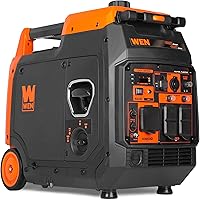
It also burns with less soot and fewer deposits, which means less carburetor cleaning over the years. A dual fuel unit like the WEN DF360iX carries a dedicated fuel shut-off valve, so you can run the carburetor dry after a propane session and keep the internals clean between storms.
The safety rules stay the same as for a gasoline unit. Every generator makes carbon monoxide, a colorless and odorless gas.
A generator rated for clean burning still needs open air, and a CO alarm gives you a backup warning if fumes build up.
Where should you place a propane generator outside?
Set the generator outdoors on level ground, with the exhaust pointed away from the house. Keep it clear of windows, doors, vents and any space where air gets trapped.
Distance matters more than people expect. Place the unit at least 5 to 10 feet from walls and openings.
Never run it under an open window, in a carport, on a covered porch, or in a garage, even with the door up. Carbon monoxide can seep through gaps and collect in rooms above.
A quiet unit is easy to forget about, so also pick a spot you can see from the house and keep the area around the exhaust free of leaves and debris.
Keep the generator dry. A running unit should never sit in standing water or under a dripping roofline.
Give it a spot where the cord can reach the transfer switch or inlet without stretching across a walkway. For a longer run time, read how long a generator can run on propane so you can plan refills without moving the unit.
How dangerous is carbon monoxide from a generator?
Carbon monoxide is the real hazard, and it can kill within minutes in a closed space. The gas binds to your blood and starves the body of oxygen.
You can't smell it, see it or taste it.
Symptoms start with headache, dizziness and nausea. Drowsiness follows, and people often fall asleep before they notice the danger.
That's why a generator should never run in a bedroom, basement or attached garage, whatever fuel it uses. A dual fuel engine switching to propane still puts out exhaust at the same tailpipe, so the venting rules don't change when you change fuel.
A battery-powered CO alarm on each level of the home is the basic safeguard. Test it before storm season and replace the batteries on schedule.
Place the alarm in the sleeping area as well as near the generator's outdoor spot, so you hear it at night.
What safety features help on a home generator?
Some generators add a shutdown sensor that turns the engine off when carbon monoxide rises. The WEN DF360iX includes the WEN Watchdog CO Shutdown Sensor for exactly this job.
WEN says the sensor helps protect you and your family by cutting the engine when dangerous levels of carbon monoxide are detected. Treat that as a backup layer, not a substitute for outdoor placement.
The same unit runs on gasoline or propane and produces clean sine-wave power for sensitive electronics. WEN lists total harmonic distortion under 0.3 percent at no load and under 1.2 percent at full load, so the output stays close to a pure sine wave.
It weighs 49 pounds and carries a 1.5-gallon gas tank for up to 5 hours at half load.
The Westinghouse WGen14500TFc also carries a CO sensor. Westinghouse pairs it with automatic low-oil shutdown, so the engine stops if oil runs low.
Both features add protection, and neither one means you can move the generator indoors.
How do you run a generator on propane safely?
Connect the hose and regulator properly, keep the tank upright, and start the engine outdoors. Check the oil first, because many units shut down or refuse to start when oil is low.
Follow these steps for a safe start.
- Put the generator on level ground outside and check the oil.
- Connect the propane hose to the unit's quick-connector and open the tank valve slowly.
- Start the engine and confirm the outlets work.
- Plug in loads one at a time and keep the generator dry.
- Shut off the fuel, let the engine run out, and let it cool before moving it.
A fuel shut-off valve helps here. It lets the engine burn the fuel left in the carburetor so stale propane or gasoline doesn't gum up the internals during storage.
On the WEN DF360iX the fuel shut-off is built in, and the LPG quick-connector attaches without tools.
The BILT HARD 4500W runs on gasoline or propane and comes with an LPG hose and regulator. It offers one 120V 20A duplex outlet, a 30A TT-30R outlet, dual USB ports and a 12V 8A DC output.
BILT HARD says the CO sensor shuts the engine down in unsafe conditions. At 58 dBA at 23 feet, it's quiet enough for a backyard setup without carrying a conversation indoors.
It also has an ECO mode that lowers engine speed to save fuel and cut noise. On propane it delivers 4,150 peak and 3,200 running watts.
The unit weighs 57.7 pounds and runs up to 13 hours.
How should you store propane for a home generator?
Store propane cylinders outdoors, upright and away from heat. Keep them out of direct sun and away from grills, heaters and any source of sparks.
A full 20 lb cylinder holds about 4.7 gallons of propane. That's the size most portable dual fuel generators accept.
Store it on a firm, level surface so it can't tip, and keep the valve closed when the generator isn't running.
Don't store cylinders in a basement, garage or shed attached to the house. Propane is heavier than air, so a leak can pool at floor level.
Check the local rules for how much propane you can keep on the property, and have cylinders refilled by a supplier rather than topping them off yourself.
Inspect the hose and regulator before each use. Look for cracks, cuts or a loose fitting.
A soapy water test on the connections shows a leak as bubbles, and you should never use a flame to check for one. If the cylinder or fitting looks damaged, replace it rather than patching it.
What else should you check before and after each run?
Check the oil, the cords, the CO alarm and the weather before every run. After shutdown, let the unit cool fully before you touch the engine, refuel or store it.
Use heavy-duty extension cords rated for the load and keep them out of puddles. Don't backfeed the house by plugging a generator into a wall outlet.
Use a transfer switch or a proper inlet, installed by an electrician, so generator power can't flow back into the grid. Label cords and keep the generator's outdoor spot clear of snow drifts in winter, since blocked exhaust can push fumes toward the house.
Never refuel a hot engine, even with propane. Keep kids and pets away from the unit and the tank while it runs.
If you want two units for more power, a parallel kit adds capacity, but both units still belong outdoors. The BILT HARD 4500W is parallel capable, so a second unit can double the output when both are placed and vented correctly.
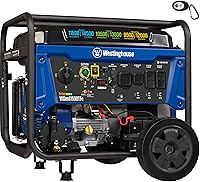
The Westinghouse WGen14500TFc runs on gasoline, propane or natural gas. Westinghouse says it delivers 14,500 running and 18,000 peak watts on gasoline, with less than 5% THD for sensitive electronics.
A 50A outlet and a 30A outlet make it transfer switch ready. The 10.5-gallon gas tank supports up to 16 hours at 25% load.
For a smaller dual fuel option, compare the picks in our guide to the best dual fuel generators. If you're weighing a smaller unit against a home backup model, the WEN 4800 generator sits between the two in size and output.
So, are propane generators safe to use at home?
Yes, propane generators are safe at home when they run outside, away from openings, with a working CO alarm nearby. Propane's cleaner burn lowers carbon monoxide compared with gasoline, but it doesn't remove the need for ventilation.
Placement, maintenance and storage are what keep the setup safe.
Pick a generator with a CO shutdown sensor if you want an extra layer of protection. The WEN DF360iX suits small backup loads and RV use.
The BILT HARD 4500W fits a budget dual fuel setup with a CO sensor. The Westinghouse WGen14500TFc is the pick for whole-home backup with a transfer switch.
Whichever you choose, keep it outdoors and keep the tank upright and dry.
Frequently asked questions
Are propane generators safe to run inside a garage?
No. A garage still traps carbon monoxide, and the gas can seep into the house through doors, vents and gaps.
Run the generator outdoors, well away from the building and any window, door or vent.
Do propane generators give off carbon monoxide?
Yes. Propane burns cleaner than gasoline, but any fuel-burning engine produces carbon monoxide.
That's why every generator needs outdoor placement and a working CO alarm nearby, whatever fuel it uses.
How far should a propane generator sit from the house?
Keep it outside and point the exhaust away from the home. Place it at least 5 to 10 feet from walls, windows, doors and vents, and never under an open window or a carport that traps air.
Can I store a propane tank in the house?
No. Store propane cylinders outdoors, upright and out of the sun, and keep them away from heat sources.
Check the local rules for tank size limits and refill handling before you buy.
What should I check before starting a propane generator?
Check the oil level, the hose and regulator connections, and the CO alarm. Set the generator on level ground outdoors, keep it dry, and let it cool fully before refueling or moving it.