How Long Will a Generator Run on Propane?
How long a generator can run on propane depends on available fuel and consumption at your load. Divide fuel remaining by hourly use, then account for required shutdowns and service.
On this page (7 sections)
- How long can a generator run on propane?
- How do you calculate propane runtime for your loads?
- What changes propane runtime besides tank size?
- Which propane generator suits your power needs?
- How should you set up a propane generator?
- How can you stretch fuel and avoid common mistakes?
- How should you choose your generator and propane supply?
How long can a generator run on propane? Available fuel divided by hourly consumption gives an estimate, but required oil checks, maintenance, and shutdowns can interrupt that time.
There is no reliable hour count based on tank size alone. Start with the generator's propane fuel-use guidance at your expected electrical load, then plan enough fuel and service breaks for the outage.
How long can a generator run on propane?
A generator can run until its usable propane runs out or a required stop comes first. A larger tank extends the fuel supply, but it doesn't remove the engine's maintenance needs.
Runtime figures only help when you know the tank size and load behind them. A quarter-load figure won't describe an evening spent running several high-demand appliances.
Separate 2 planning questions: how many operating hours your fuel can cover, and how long the engine may run between checks. The guide to how long a generator can run continuously explains the second question.
How long can a generator run on a 20 lb propane tank?
Divide the fuel actually remaining by hourly propane use at your load. A tank's capacity isn't a measurement of how much fuel is left.
For example, a hypothetical generator consuming 2 lb per hour would use 20 lb in 10 hours. With only 10 lb remaining, the same calculation gives 5 hours.
Those are arithmetic examples, not runtime claims for the models below. None has a complete propane runtime figure here, so choose between them by load capacity and useful features rather than assumed hours.
How do you calculate propane runtime for your loads?
Use matching fuel units and a realistic consumption rate. Pounds divided by pounds per hour gives hours; gallons divided by gallons per hour does too.
- List the appliances you need and their running watts.
- Allow for the starting demand of motors and compressors.
- Find propane consumption guidance near that running load in the generator manual.
- Check the fuel remaining and divide it by hourly use.
- Schedule required shutdowns and arrange refills before the estimated fuel runs out.
A refrigerator cycles rather than drawing its full running load every minute. A heater or cooking appliance can change demand sharply, so use a range when your equipment won't stay at one load.
Don't assume fuel consumption rises in a straight line with wattage. Half the electrical load doesn't necessarily mean twice the runtime.
Also check how runtime percentages are defined. Half load on generators with different output capacities can mean different amounts of electricity.
What changes propane runtime besides tank size?
Electrical demand, weather, and fuel delivery all affect how useful your propane supply will be. Tank capacity is only one part of the plan.
Electrical demand and startup surges
Higher sustained demand generally burns more fuel. Startup surges matter mainly because the generator must handle them without overload, even when average consumption is modest.
Use propane output figures when sizing the generator. Our guide to what size generator you need explains how to add running loads and allow for motor starts.
Cold weather and tank compatibility
Propane must vaporize before the engine can use it, and cold conditions can limit how quickly a cylinder supplies vapor. A tank can still contain fuel while struggling to support a high draw.
Follow the generator's approved tank, regulator, and temperature guidance. Never heat a cylinder with a flame or improvise a tank connection to overcome weak fuel delivery.
Which propane generator suits your power needs?
Choose the smallest model that comfortably covers your essential running loads and startup demand. More output is useful when you need it, but it isn't proof of longer runtime.
These WEN models support gasoline and propane. The dual-fuel generator explanation covers fuel switching, while our best dual-fuel generators guide offers a broader comparison.
WEN DF360iX for a smaller essential-load plan
The DF360iX suits readers powering a limited group of essentials who also need to lift and carry the generator. It weighs 49 lb and supplies 2,600 rated watts on propane, with 3,500 surge watts for brief startup demand.
Its TT-30R RV outlet helps with compatible RV connections, but the socket doesn't increase the available power. Check an air conditioner's startup needs before assuming this model can run it alongside other equipment.
Skip it if your essential running total leaves little room below its propane limit. WEN's inverter power supports sensitive electronics, but that doesn't make an oversized appliance load workable.
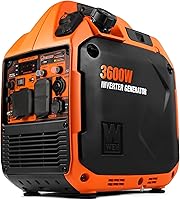
WEN DF480iX for easier starting and rolling
The DF480iX suits buyers who value push-button electric start, onboard wheels, and a telescoping handle. A recoil starter provides backup, and 4 three-prong 120V outlets offer more connection points for separate cords.
At 78.5 lb, it makes more sense for rolling over a suitable surface than frequent lifting. Check the route from storage to the operating area, including steps and soft ground.
WEN's propane running-output figures conflict between 3,600 and 4,000 watts, so confirm the correct rating with WEN before sizing a close load. Its 4,320-watt propane surge figure is a brief startup allowance, not continuous capacity.
Skip this model if your decision depends on the higher running figure without confirmation. Extra outlets also don't mean every connected appliance can run together.
WEN DF680iX for higher demand and 240V equipment
The DF680iX suits buyers who need 4,500 rated propane watts, 6,000 surge watts, or a compatible 120V/240V connection. Its L14-30R receptacle and voltage selector make it the relevant choice here when 240V power is required.
It includes electric start, wheels, a telescoping handle, and a 6-foot LPG regulator hose. At 99.2 lb, plan its storage and movement before choosing it for regular trips.
Skip it for a modest load if carrying weight is your main concern. For house wiring, have an electrician check connection and neutral requirements; our generator transfer switch guide explains the next step.
How should you set up a propane generator?
Run it outdoors, at least 20 feet from your home, with exhaust directed away from doors, windows, and vents. Never use a garage, shed, or enclosed space, even with doors open.
Use working carbon monoxide alarms indoors. All 3 WEN models include CO Watchdog shutdown, but a sensor doesn't replace safe placement; read more about generator carbon monoxide risks.
Set the generator on a stable, level surface and keep the propane cylinder upright. Follow both manuals for clearances, approved connections, and a hose route protected from damage.
Before starting, check engine oil and inspect the hose and connections. Check for leaks using the approved method in the instructions, never a flame, and stop if you smell gas.
Keep the generator dry without enclosing it or blocking airflow. Our guide to running a generator in the rain explains weather protection limits.
How can you stretch fuel and avoid common mistakes?
Run only the equipment you need, and stagger heavy loads where practical. Turning off an unnecessary heater or cooking appliance usually matters more than counting small phone chargers.
Avoid these planning mistakes:
- Using gasoline runtime for propane. Use fuel-specific figures.
- Planning around surge watts. Continuous demand must fit the propane running limit.
- Assuming a spare tank means uninterrupted power. Tank changes require a shutdown under the model's instructions.
- Ignoring service stops. A larger fuel supply doesn't extend oil-service intervals.
- Connecting to a wall outlet. Never backfeed house wiring; use a proper connection installed by an electrician.
Arrange spare fuel before an outage and store cylinders outdoors as local rules and cylinder instructions require. Shut down, allow cooling, and follow the manual before changing a connected tank.
Propane use doesn't remove engine care. Check oil on the schedule WEN requires, keep cooling paths clear, and follow storage instructions if you also use gasoline.
The WEN fuel-shutoff feature helps clear remaining gasoline from the carburetor. It doesn't replace oil changes or other scheduled maintenance.
How should you choose your generator and propane supply?
Decide which loads must run first, then choose output capacity and fuel supply around them. That gives a useful answer to how long a generator can run on propane for your household.
Choose the DF360iX for smaller loads and easier carrying. Choose the DF480iX for electric start and rolling convenience once its propane running rating is confirmed, or the DF680iX when higher demand or compatible 240V equipment calls for it.
Next, calculate fuel needs for your expected operating hours, allow for changing demand, and schedule service stops. Use the portable generator overview if you're still deciding which generator type fits that plan.
Frequently asked questions
How long can a generator run on a 20 lb propane tank?
Divide the propane actually remaining by the generator's hourly propane use at your expected load. For example, 20 lb divided by a hypothetical 2 lb per hour equals 10 hours; that is a calculation example, not a model-specific runtime, and required service stops can interrupt operation.
Can a propane generator run all night?
A propane generator may run all night if it has enough fuel and its manual allows that operating period between service stops. Place it outdoors at least 20 feet from your home, direct exhaust away from openings, and use working indoor carbon monoxide alarms; plan any tank change before bedtime.
Is propane better than gasoline for generator runtime?
Propane doesn't automatically give longer runtime than gasoline; compare fuel consumption, usable fuel capacity, and output at the same electrical demand, since propane output can be lower. Propane can suit stored backup fuel, but tank size and refill access still determine how practical it is during a long outage.
Does a generator use more propane under heavy load?
Yes, heavier electrical loads generally increase propane consumption and shorten runtime. Cut unnecessary loads and stagger high-demand appliances to conserve fuel, while allowing room for motor startup surges; use consumption figures that match your expected demand rather than assuming a light-load runtime will apply to a busy household.