Dual Fuel Generator vs Gas-Only: Is It Worth It? (November 2026)
For a dual fuel generator vs gas-only choice, pick dual fuel for a useful propane backup or gas-only for a gasoline-based plan. Size either generator for your appliances, including startup demands, on the fuel you'll actually use.
On this page (10 sections)
- Dual fuel generator vs gas-only: what changes?
- When is dual fuel worth the extra flexibility?
- Which dual fuel model suits your load and travel plans?
- When does a gas-only generator make more sense?
- How should you size a generator for your appliances?
- What setup should you finish before the first outage?
- What care does each fuel choice require?
- Which common mistakes can spoil the choice?
- Dual fuel generator vs gas: which should you choose?
- Sources
In a dual fuel generator vs gas-only comparison, choose dual fuel when propane gives you a useful backup and gas-only when gasoline already fits your plan. Either choice must cover your appliances on the fuel you'll use.
A second fuel option helps during an outage only if you have a compatible cylinder, somewhere safe to keep it and enough propane. More fuel choices won't solve a shortage of electrical capacity.
The 3 generators below show the tradeoff: 2 smaller dual fuel inverters for modest loads and a larger gas-only inverter for greater sustained demand.

 Best for frequent RV loading
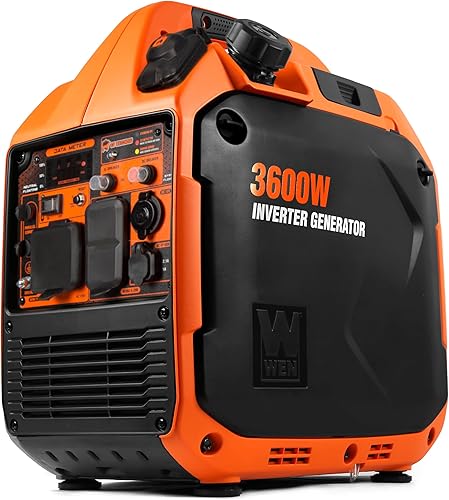
WEN 3600W Dual Fuel RV Inverter (DF360iX)
Dual fuel generator vs gas-only: what changes?
A dual fuel generator runs on gasoline or propane, while a gas-only generator uses gasoline. Fuel choice affects storage, connections and available power, but it doesn't determine every other feature.
All 3 models here are inverter generators. Inverter describes how they produce electrical power; dual fuel describes what the engine burns.
| Consideration | Dual fuel | Gas-only |
|---|---|---|
| Fuel supply | Can draw from 2 fuel sources | Relies on gasoline |
| Load planning | Check capacity separately for each fuel | Use gasoline capacity |
| Equipment to store | Cylinder and hose if using propane | Approved gasoline containers |
| Before use | Select fuel and follow its setup procedure | Fill the tank safely |
| Best reason to choose | A second fuel source you can actually use | A gasoline plan that meets your needs |
Don't assume gas-only generators always produce more power or dual fuel models always run longer. Those differences depend on the model, load and amount of fuel available.
Dual fuel generator vs gas: compare running watts first
Running watts set your sustained load limit; starting or surge watts cover a brief startup demand. A large number in a model name isn't the amount of power available throughout the run.
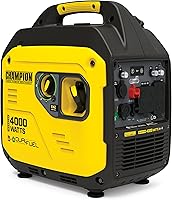
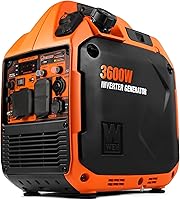
The Champion provides 3000 running watts on gasoline and 2700 on propane. The smaller WEN provides 2900 on gasoline and 2600 on propane, while the gas-only WEN provides 4000 rated watts.
For example, a hypothetical 2800-watt continuous load exceeds both dual fuel models' propane capacities. The gas-only WEN has room for that running load, although any motor startup demand still needs a separate check.
Our guide to how a dual fuel generator works explains the fuel systems and selection process.
When is dual fuel worth the extra flexibility?
Dual fuel earns its place when you can keep propane available for a real use. That might mean backup for occasional outages, a fuel reserve for RV trips or less reliance on finding an open gas station.
Propane doesn't have gasoline's stale-fuel problem, which helps with occasional use. Cylinders still need safe outdoor storage, sound valves and hoses, and attention to their condition.
Before choosing dual fuel, identify where you'll refill or exchange cylinders. A second fuel option has little value if the nearest source is inconvenient or you can't safely transport and store a reserve.
Who benefits most from a second fuel?
Occasional backup users and propane-equipped travelers have the clearest reason to choose dual fuel. They can plan essential loads around propane and keep gasoline as another option.
An RV's existing propane supply isn't automatically ready to connect to a portable generator. Check the manual's cylinder, hose and regulator requirements rather than improvising a connection.
Skip dual fuel if you can't store cylinders safely or know you'll never use propane. Focus instead on gasoline capacity, carrying weight and the outlets your setup needs.
How should you compare propane runtime?
Compare load, fuel quantity and operating conditions together. Champion claims up to 25 hours from a 20 lb propane tank at 25% load, versus up to 10 hours from its full 1.54-gallon gasoline tank at the same load percentage.
Those figures describe different fuel reserves. They don't guarantee equal fuel cost or mean your refrigerator, pump and other appliances will run for that long.
Cold weather can also limit how quickly a propane cylinder supplies vapor, especially as it empties. Follow the generator manual's cylinder guidance and never heat a cylinder to force more output.
Read how long a generator can run on propane before deciding how much fuel to keep.
Which dual fuel model suits your load and travel plans?
Choose the Champion for a propane backup plan or the smaller WEN when frequent lifting matters more. Both suit limited appliance groups, provided the running and startup demands fit.
Champion: a fit for planned propane backup
The Champion suits someone keeping a cylinder ready for essential appliances or modest RV needs. It includes a propane hose, engine oil and a funnel, so those setup items don't need separate sourcing.
Its 51.8 lb weight still calls for a practical lifting plan, especially into a high vehicle bed. It also uses recoil start, so consider whether pulling a starter cord will suit everyone who may need to operate it.
Skip it if your must-run loads exceed its propane capacity. Optional parallel operation requires a separately sold kit and another compatible unit, which adds equipment to move and maintain.
WEN DF360iX: a fit for regular loading and unloading
The dual fuel WEN suits travelers who want a smaller unit they can move between storage, a vehicle and an outdoor operating spot. At 49 lb, it's the lightest of these 3, though comfortable lifting limits vary.
Its tool-free LPG quick-connector simplifies propane connection. Fuel shutoff lets the engine consume gasoline remaining in the carburetor before stopping, helping limit deposits during storage.
Skip this WEN if you'll run close to its capacity or need substantial startup headroom. An RV outlet alone doesn't mean a generator can start your air conditioner alongside every other appliance.
When does a gas-only generator make more sense?
Gas-only makes sense when you need the chosen model's output and have a workable gasoline supply. It avoids cylinder connections and fuel changes, while still requiring careful storage and maintenance.
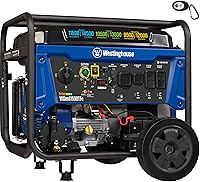
The WEN 56477i is the stronger fit here for larger essential appliance groups. Its 4800 surge watts provide brief startup capacity, but you must account for the appliances already running when another motor starts.
At 72.7 lb, it needs more thought for vehicle loading than either dual fuel option. Wheels and a telescoping handle help with ground movement; steps, soft soil and lifting remain separate challenges.
Skip it if lifting is your main concern or propane is central to your outage plan. A larger generator is useful only when you can move it to a safe operating spot.
For the wider choice of fuel systems and designs, see our guide to portable generators and their main types.
How should you size a generator for your appliances?
Start with a short list of essential loads, then check both sustained power and startup demand. Separating must-run appliances from optional ones often makes the choice clearer than shopping by peak wattage.
- Write down each appliance's running watts from its label or manual.
- Find starting requirements for compressors, pumps and other motors.
- Add the running loads that will operate together.
- Check whether a motor can start while those other loads remain on.
- Repeat the calculation using propane capacity if propane is your backup.
A refrigerator and a few lights create a different plan from a refrigerator, space heater and microwave. High-draw appliances can consume capacity quickly, so switching optional loads off may be more practical than running everything together.
Use a hypothetical 1000-watt running total with a 2000-watt motor startup as an example. If the other loads remain on during startup, the generator must cover their demand plus that startup requirement.
Check voltage and outlet limits too. A matching plug or adapter doesn't increase the generator's output, and extension cords must suit the connected load.
Our generator sizing guide helps turn appliance labels into a load plan. Leave room for startup demands and follow the manual's guidance for altitude and temperature effects.
What setup should you finish before the first outage?
Finish placement, connections and fuel preparation before power fails. Neither fuel makes a portable generator safe inside a building.
Operate outdoors at least 20 feet from the home, with exhaust pointed away from doors, windows and vents, following CPSC guidance. Keep it away from neighboring buildings and occupied RVs too.
All 3 models have carbon monoxide shutdown features, but those don't replace safe placement or working household CO alarms. Read how portable generators produce carbon monoxide for the main precautions.
Before starting, place the generator on a stable, level surface and complete the manual's oil and fuel steps. Included engine oil still needs to be added in the correct amount.
For propane, inspect the hose and connections and perform the manual's leak-check procedure without a flame. Secure the cylinder upright and keep the hose away from hot parts and walking routes.
Keep the generator dry without enclosing it or blocking exhaust and cooling air. Our guide to running a generator in the rain explains why a weather plan belongs in your setup.
How should you connect home or RV loads?
Use properly rated cords and approved connections for the appliances you intend to power. Start with loads disconnected, then connect them in the sequence your manual directs.
Never feed generator power into a home through a wall outlet. Have a qualified electrician arrange an approved connection for household wiring; our generator transfer switch guide explains the options.
For an RV, check its electrical requirements before connecting. A TT-30R outlet doesn't turn these portable units into a whole-home supply or remove the need to manage simultaneous loads.
What care does each fuel choice require?
Both types need engine maintenance and fuel-system care. Running on propane avoids gasoline sitting in the carburetor during that run, but it doesn't remove oil changes, air-filter care or other scheduled work.
Follow the maintenance schedule by operating hours and calendar time. Keep the manual, service supplies and a simple run-hour record together so an extended outage doesn't push maintenance aside.
Gasoline storage and shutdown
Use approved fuel containers and follow local storage rules. Buy manageable quantities, rotate stored fuel and use stabilizer only as directed by the fuel treatment and engine instructions.
Never add gasoline while the engine is running or hot. Shut down, allow cooling and keep fuel containers away from the operating generator.
Both WEN models have fuel shutoff to consume remaining carburetor fuel. That helps with one source of deposits, but it doesn't preserve gasoline left in the tank indefinitely.
Propane storage and readiness
Keep cylinders upright outdoors in a ventilated location, following cylinder instructions and local rules. Inspect hoses for damage and keep connection parts clean.
Know how much fuel remains before an outage rather than relying on a cylinder that feels partly full. Follow the manual when changing cylinders, including shutdown and valve-closing steps.
If you've also used gasoline, follow the gasoline storage procedure before putting the generator away. Switching to propane doesn't automatically clear old gasoline from the system.
Which common mistakes can spoil the choice?
The biggest mistakes are sizing from surge watts and planning around fuel you don't have. Avoid them before comparing convenience features.
- Using gasoline capacity for a propane plan: Make sure the essential load fits on either fuel you expect to use.
- Treating maximum runtime as an outage promise: Plan refueling around your load, with a reserve for changing needs.
- Ignoring lifting: Measure the storage route and vehicle loading height, including room for fuel equipment.
- Assuming more outlets mean more capacity: All connected appliances share the generator's available output.
- Leaving fuel planning until the outage: Arrange containers, cylinders and refill access beforehand.
For a broader outage shortlist, compare portable generators for home backup after completing your load calculation.
Dual fuel generator vs gas: which should you choose?
Choose dual fuel if your essential loads fit on propane and you'll keep a cylinder ready. Pick the Champion for planned propane backup or the smaller WEN when regular loading makes carrying weight a priority.
Choose the gas-only WEN if your appliance plan needs its greater sustained capacity and you can handle its weight. Skip all 3 if your required voltage, startup demand or intended connection exceeds their capabilities.
Before ordering, write down your chosen fuel, essential load and safe outdoor location. If those 3 pieces fit, compare our best dual fuel generators for other models that suit the same plan.
Sources
Use Champion's model information for its fuel-specific output and runtime, and CPSC guidance for safe generator placement and operation.
- Champion 4000-Watt Dual Fuel RV Ready Portable Inverter Generator
- U.S. Consumer Product Safety Commission: Portable Generator Safety
Frequently asked questions
Is a dual fuel generator better than a gas generator?
A dual fuel generator is better if propane gives you a useful second fuel source; gas-only makes sense if you already have a workable gasoline plan and need the chosen model's output. Compare capacity, carrying weight and fuel storage before paying attention to extra features.
Does propane make a generator run longer?
Propane can provide a longer run when the connected cylinder holds enough fuel, but it doesn't always outlast gasoline; compare the exact generator, load and fuel quantity. A large cylinder and a small gasoline tank are different reserves, so their runtime figures don't prove which fuel is more efficient.
Does a dual fuel generator make less power on propane?
Both dual fuel models here provide less running power on propane than gasoline; size your loads using the rating for your intended fuel, and check its starting capacity too. If you need propane as a backup, make sure your essential appliances still fit when you switch away from gasoline.
Can you switch fuels while a dual fuel generator is running?
Switch fuels while running only if your exact model's manual permits it and explains the steps; otherwise, shut down and follow the prescribed changeover process. Turn the generator off before disconnecting a propane cylinder, and let the engine cool before adding gasoline to avoid igniting spilled fuel.