Can a Generac Generator Run on Propane?
Yes, a Generac generator can run on propane if the model is built or converted for it. Propane is a common fuel for home backup, and most dual-fuel or tri-fuel Generac units switch to it without major changes.
On this page (11 sections)
- Can a Generac generator run on propane out of the box?
- How does propane fuel a Generac generator?
- How much power does a generator lose on propane?
- Is propane a good fuel choice for home backup?
- What do you need to run a Generac generator on propane?
- Can you use a portable propane tank for a Generac generator?
- Can a gasoline-only Generac generator be converted to propane?
- Which tri-fuel or dual-fuel generator fits a propane plan?
- Where should you place a propane generator?
- How do you store and maintain a propane generator?
- So, can a Generac generator run on propane?
Yes, a Generac generator can run on propane when the model is built for it. Many Generac home backup and portable units are dual-fuel or tri-fuel, so you can choose propane instead of gasoline.
That makes "can a Generac generator run on propane" a yes in most modern setups, with a few things to plan.
Propane changes how you store fuel, how much power you get, and how you hook the generator up. This guide walks through each part so you can decide whether propane fits your backup plan.
Can a Generac generator run on propane out of the box?
It depends on the model. A Generac generator runs on propane out of the box when it's sold as a dual-fuel or tri-fuel unit.
A gasoline-only model needs a conversion kit or isn't suited to propane at all.
Dual-fuel units ship with a propane hose and regulator, so you connect a tank and select the fuel. Tri-fuel models add natural gas as a third option.
Generac's home standby line is often designed around propane or natural gas, since those fuels suit a fixed tank and long run times.
Check the fuel type on the model plate before you buy or convert anything. A unit rated for gasoline only won't run correctly on propane without the right parts.
Our guide to whether a propane generator can run on natural gas covers the reverse question and why the two gases aren't interchangeable.
How does propane fuel a Generac generator?
Propane reaches the engine as a vapor through a regulator and a carburetor built for gas. The regulator drops tank pressure to a safe inlet level, and the engine's fuel system mixes the vapor with air.
Liquid propane in the tank boils into vapor as fuel is drawn. That's why cold weather matters: a tank that's too cold or too full can struggle to vaporize enough fuel.
A generator set up for propane has the correct orifice and a demand regulator tuned to the load.
Gasoline-only engines meter liquid fuel differently, so a proper conversion swaps or adds the parts needed for vapor. Doing that with the right kit keeps the engine running cleanly.
Skip improvised plumbing and let a qualified tech handle a conversion.
How much power does a generator lose on propane?
Expect a moderate drop in wattage on propane compared with gasoline. Propane has less energy per unit than gasoline, so makers rate dual-fuel units lower on propane.
The gap is usually around 10 percent, though it varies by model.
This matters when you size the generator to your home. A unit that runs 10,500 watts on gasoline may run closer to 9,400 watts on propane.
Add up your essential loads first, then compare the propane rating, not the gasoline one.
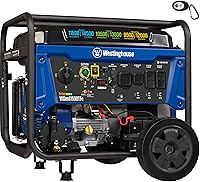
Here's how one tri-fuel model breaks down. The Westinghouse 13500W Tri-Fuel delivers 10,500 running and 13,500 peak watts on gasoline.
The 12500W Tri-Fuel delivers 9,500 running watts on gasoline, 8,500 on propane, and 7,500 on natural gas. Those lower propane and natural gas numbers are the figures to use when you plan a load.
Is propane a good fuel choice for home backup?
Propane is one of the best fuels for standby power because it stores for years without going bad. Gasoline degrades in months and can clog a carburetor if it sits.
Propane in a sealed tank keeps its quality far longer, so it's ready when the power goes out.
It also burns cleanly and doesn't leave gum in the fuel system. That's a big reason home standby systems often run on propane.
The trade-off is that you need a tank, either a portable cylinder or a larger home tank, and you need to keep it filled.
A home tank gives you a long run time, and a refill service keeps it topped up. A portable cylinder is easier to move but holds less.
Plan your tank size around the loads you want to run and how long outages last in your area. For run time math, see how long a generator runs on propane.
What do you need to run a Generac generator on propane?
You need a propane supply, the right hose and regulator, and a model or kit set up for propane. Then you connect the tank, select propane on the fuel valve, and start the generator.
- Confirm the model is dual-fuel, tri-fuel, or has a proper conversion.
- Connect a regulator and hose rated for the generator's inlet pressure.
- Open the tank valve slowly and check for leaks at the fittings.
- Set the fuel selector to propane and start the unit.
- Watch the load and refill or swap the tank before it runs low.
Keep the tank upright and outdoors, away from the generator's exhaust. Store spare cylinders in a ventilated spot, never in the house.
A leak at any fitting is a stop signal: shut the valve and fix it before starting.
Can you use a portable propane tank for a Generac generator?
Yes, a portable cylinder works for many Generac portable units, but check the demand. A 20 lb tank suits light loads for a few hours.
A 100 lb cylinder or a home tank runs longer and holds up better under a heavy load.
Small tanks can frost over and lose pressure when the draw is high. That's not a fault in the generator; it's the tank struggling to vaporize fuel fast enough.
A larger tank or a manifold of cylinders solves it. In cold weather, a tank blanket or a warmer spot for the cylinder helps too.
Match the regulator to the tank and the generator's inlet pressure. A regulator built for a home system won't behave the same on a small cylinder.
Our guide to whether you can run a generator in the rain covers weather protection, and it's worth reading before you set up outdoors in wet conditions.
Can a gasoline-only Generac generator be converted to propane?
Sometimes, with a manufacturer-approved conversion kit. The kit adds or swaps the fuel system parts so the engine can run on propane vapor.
Not every model has a kit, and some conversions cost more than they're worth.
A conversion should keep the safety features intact. Fuel lines, the regulator, and the carburetor all need to suit propane.
A licensed technician should do the work, since a fuel leak or a wrong orifice is a real hazard.
If your model is older or uncommon, price the kit and labor first. A dual-fuel or tri-fuel unit may be the simpler path if you're still shopping.
Compare the options before committing to a conversion.
Which tri-fuel or dual-fuel generator fits a propane plan?
Pick a tri-fuel model if you want the most flexibility, or a dual-fuel unit if propane and gasoline are enough. Tri-fuel units also run on natural gas, which helps if a gas line is already at the house.
Dual-fuel units keep the choice simpler and often cost less.
The Westinghouse 12500W Tri-Fuel runs on all three fuels and pairs well with a smaller home load. It delivers 8,500 running watts on propane and 7,500 on natural gas.
The 13500W Tri-Fuel runs 10,500 watts on gasoline and adds more headroom for bigger loads.
Check the propane rating against your essential loads before you choose. A unit with plenty of gasoline wattage can still fall short on propane.
Size to the fuel you'll actually use during an outage.
Where should you place a propane generator?
Run it outdoors, well away from doors, windows, and vents, and never in an enclosed space. Propane generators produce carbon monoxide just like gasoline units.
The CO sensor on many models shuts the unit down when it detects a buildup, but it's a backup, not a substitute for fresh air.
Keep the generator on a level, dry surface. Don't run it in a garage, basement, or shed, even with the door open.
Our guide to whether you can run a generator in the garage explains why that's unsafe.
Point the exhaust away from the house and keep the propane tank clear of the hot muffler. Leave space around the unit for airflow.
In wet weather, use a cover designed for running, not a tarp that traps exhaust.
How do you store and maintain a propane generator?
Store the unit dry, keep the tank valve closed, and run it now and then under load. Propane doesn't degrade like gasoline, so there's no fuel to drain for storage.
That's a real advantage for a generator that sits for months.
Check the oil before each long run and change it on schedule. Keep the battery charged on electric-start models.
Test the CO sensor and the low-oil shutdown so you know they work.
Inspect the hose and regulator for cracks before each season. A quick leak check with soapy water at the fittings catches small problems early.
Keep the unit covered when it's not in use, with the cover off while running.
So, can a Generac generator run on propane?
Yes, a Generac generator runs on propane when the model is dual-fuel or tri-fuel, or when a gasoline-only unit gets a proper conversion. Propane stores well, burns clean, and makes a solid fuel for backup power.
The main things to watch are the lower propane wattage and the right regulator for your tank.
Plan the fuel before you buy. Check the propane rating against your essential loads, pick a tank size that matches your run time, and keep the unit outdoors.
A tri-fuel model gives you the most choices, while a dual-fuel unit covers propane and gasoline with less complexity. Match the fuel, the load, and the placement, and the propane setup does the rest.
Frequently asked questions
Does a generator make less power on propane?
Usually yes. Propane carries less energy per volume than gasoline, so a dual-fuel generator typically delivers lower running and peak wattage on propane than on gas.
Check the model's propane rating before you size it for a load.
How long will a Generac generator run on a propane tank?
It depends on tank size and load. A larger tank and a lighter load stretch run time.
A 20 lb portable cylinder powers a small load for a few hours, while a 100 lb cylinder or a home propane tank lasts much longer.
Is propane or gasoline better for a backup generator?
Propane stores far longer than gasoline and doesn't gum up a carburetor, so it's often the better choice for standby use. Gasoline is easier to find on short notice and gives slightly more power.
Many owners keep both options open.
Do you need a special regulator for propane?
Yes. A propane generator needs a regulator sized for its inlet pressure and demand, plus a hose rated for the fuel.
Home propane systems run at different pressures than a portable cylinder, so match the regulator to the supply you'll use.