Can You Run a Generator in the Garage?
You cannot safely run a generator in the garage, even with the door open. Operate it outdoors at least 20 feet from the home, with exhaust directed away from doors, windows, and vents.
On this page (9 sections)
- Can you run a generator in the garage with the door open?
- Where should you place a generator outside?
- What should you do if rain is forecast?
- Does a carbon monoxide shutoff make garage use safe?
- Which small generator fits your outdoor power plan?
- How do you match output, outlets, and cords?
- What setup and care should you plan before an outage?
- What should you do if a carbon monoxide alarm sounds?
- What should you choose if you cannot run a generator in the garage?
You cannot safely run a generator in the garage, even with the door open. Exhaust contains carbon monoxide, an odorless gas that can collect indoors and enter nearby rooms.
Operate a fuel-powered portable generator outdoors at least 20 feet from the home, with exhaust directed away from doors, windows, and vents. Before choosing a model, confirm that your property has a suitable operating location and a safe way to carry power indoors.
Can you run a generator in the garage with the door open?
No, an open garage door cannot provide reliable exhaust ventilation. This applies to attached and detached garages, including those with windows open or fans running.
Wind can change direction, and exhaust can collect in areas where air moves poorly. A detached garage also puts anyone entering it at risk and can send fumes toward nearby buildings.
Don't use a basement, shed, carport, or other enclosed or partly enclosed space instead. A smaller engine, quieter operation, or propane fuel does not make these locations safe.
The CDC's carbon monoxide guidance explains the hazard and safe generator placement. If exposure is possible, get everyone into fresh air and call emergency services.
Where should you place a generator outside?
Choose a dry, level, open location at least 20 feet from the home, with exhaust facing away from openings. Follow the manual if it requires greater distances or additional clearances.
Check nearby homes, open garage doors, crawlspace vents, and places where people gather. Distance from your own front door is only one part of choosing the location.
Avoid porches, narrow passages, and spots surrounded by walls. Keep the engine's cooling openings clear and leave the space around it that the manual requires.
Plan the cord route before starting the engine. If the safe location is beyond your cords' reach, get correctly rated cords rather than moving the generator closer to the house.
What should you do if rain is forecast?
Use weather protection approved for operating your model, while keeping the generator outdoors with clear airflow. Never move it into the garage to escape rain.
A fitted storage cover is not an operating shelter. Any shelter must meet the manual's requirements for exhaust, cooling, heat clearance, and access.
Keep plugs and connections dry, and don't handle electrical connections while standing in water. Follow the manual's grounding instructions for your particular setup.
Read whether a generator can run in the rain before choosing a shelter. Turn the engine off and let it cool before moving it.
Does a carbon monoxide shutoff make garage use safe?
No, CO shutoff is a backup safety feature, not permission to operate indoors. A sensor cannot make a garage into a safe engine room.
Don't treat a lack of shutdown as proof that nearby air is safe. If a CO-related shutdown occurs, stop using the generator and follow the manual before considering a restart.
Keep working carbon monoxide alarms inside the home, following their placement and maintenance instructions. For more detail, read whether a generator gives off carbon monoxide.
Which small generator fits your outdoor power plan?
Choose by running watts, starting demand, fuel, and portability, after confirming a safe location. These 3 inverters suit different loads, but none solves an unsafe placement problem.
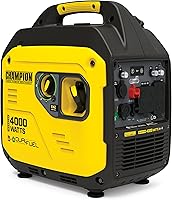
Champion 4000W: for fuel flexibility and larger small loads
The Champion 4000W Dual Fuel RV Inverter suits buyers who want gasoline and propane options for recreation or a few household basics. It supplies 3,000 running watts on gasoline or 2,700 on propane, with 4,000 starting watts.
Its TT-30R RV outlet makes it worth considering for an RV connection, while the household duplex outlet serves compatible cords. At 51.8 pounds, it needs a realistic carrying plan between storage and the outdoor operating spot.
Choose it if its extra capacity and fuel choice match your needs. Skip it if your planned loads exceed its running output, especially on propane, or lifting it would make safe placement difficult.
Champion claims up to 10 hours on gasoline and 25 hours with a 20-pound propane tank, both at 25% load. Treat those as light-load planning figures, not promises for your full appliance list.
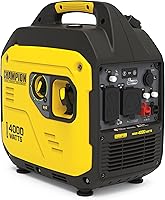
Champion 2500W: for portable recreation loads
The Champion 2500W Ultralight Inverter suits camping and other modest recreation loads where carrying weight matters. It weighs 39.7 pounds and delivers 2,500 starting watts and 1,850 running watts on gasoline.
Its household duplex outlet and less than 3% THD output suit compatible electronics and other loads within its capacity. Champion specifies 53 dBA from 23 feet, but noise level has no bearing on exhaust safety.
Skip it for emergency home backup, which Champion specifically does not recommend for this model. Also skip it if your main appliance's startup demand leaves too little room for the other devices you need.
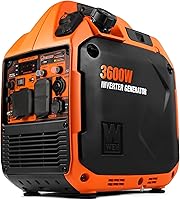
Westinghouse iGen1500c: for a short essentials list
The Westinghouse iGen1500c suits buyers powering a few low-draw devices, such as compatible lights, chargers, and a router. Its 1,000 running watts and 1,500 peak watts call for a short, carefully checked load list.
Two USB outlets can help with device charging, and its less than 3% THD output suits sensitive electronics. It also includes overload protection and low-oil shutdown.
Skip it for electric space heating or several motor-driven appliances together. Check a refrigerator's actual starting requirement before choosing it for that job, rather than assuming a compact generator will handle every essential.
How do you match output, outlets, and cords?
Add the running watts of devices used together, then allow for the largest additional motor-starting demand. A generator's peak figure is brief capacity, not the amount available continuously.
A refrigerator, pump, or compressor may need more power to start than to keep running. Turning loads on one at a time can reduce overlapping starts, but it cannot fix an undersized generator.
Can a garage tool run from a generator outside?
Yes, a compatible tool can receive power from a safely placed outdoor generator through a properly rated cord. The engine stays outside even when the work takes place in the garage.
Check cord length, wire gauge, amp rating, and condition against the tool and generator manuals. An outlet's amp marking does not increase the generator's total output.
Use what size generator you need to build your load list. The portable generator guide explains the main generator types if you're still choosing between fuel and inverter options.
Never connect a generator to a wall outlet to feed household wiring. Read about a generator transfer switch and have a qualified electrician plan any connection to home circuits.
What setup and care should you plan before an outage?
Prepare the location, cords, fuel, oil, and alarms before you need power. A generator is useful only if you can move it, start it, and connect the intended loads safely.
- Read the starting procedure and check oil as directed before use.
- Inspect cords for cuts, damaged plugs, and loose connections.
- Set the generator in its outdoor location before starting it.
- Connect loads in the order the manual recommends.
- Keep children and pets away from hot surfaces and exhaust.
- Shut the engine off and let it cool before refueling.
For gasoline models, follow the manual's fuel-storage and storage-preparation steps. For propane operation, follow the connection procedure and leak-check instructions before starting.
Track operating hours so oil changes and other service don't get missed during a long outage. See how long a generator can run continuously for planning around fuel stops and maintenance.
Only return the unit to storage after shutdown and cooling, following its fuel-storage instructions and local rules. Never start it in the storage space to warm it up or check that it runs.
What should you do if a carbon monoxide alarm sounds?
Leave the building immediately and get everyone into fresh air. Don't delay to locate the source, collect belongings, or shut down equipment.
Call emergency services from a safe outdoor location away from exhaust. Don't re-enter until responders say it's safe.
Headache, dizziness, weakness, nausea, and confusion can signal exposure. Tell responders about possible carbon monoxide poisoning even if someone feels better outside.
What should you choose if you cannot run a generator in the garage?
If you cannot run a generator in the garage and lack a safe outdoor location, skip a fuel-powered generator for that site. Consider a battery power station sized for essential devices instead.
Choose the Champion 4000W for fuel flexibility and more running capacity, the Champion 2500W for modest recreation loads, or the Westinghouse for a short low-power essentials list. Confirm each choice against actual starting demand before buying.
For a broader outage plan, use the guide to choosing a generator for home backup. Keep generator carbon monoxide risks central to the placement decision, regardless of which model you choose.
Frequently asked questions
Can I run a generator in a garage with the door open?
No, an open garage door does not make generator use safe; exhaust can collect indoors and carry carbon monoxide into the home, even when a fan is running. Operate the generator outdoors at least 20 feet from the home, with exhaust directed away from doors, windows, and vents.
How far should a generator be from the house?
Place a portable generator at least 20 feet from the home, with exhaust directed away from doors, windows, and vents; choose a dry, level, open location and consider nearby homes too. Follow the generator manual and local fire guidance if they require greater distances or additional clearances.
Does a generator with carbon monoxide shutoff make garage use safe?
No, carbon monoxide shutoff does not make garage use safe; it adds protection but cannot replace outdoor placement or working carbon monoxide alarms inside the home. If the generator shuts down because of carbon monoxide, stop using it and follow its manual before considering a restart.
Can rain make it unsafe to run a generator outside?
Yes, rain and wet connections can create an electric shock hazard; use only weather protection approved for operating your generator, with the required airflow and clearances. A storage cover is not an operating shelter, and moving the generator into a garage is never a safe rain plan.