Can a Generator Run in the Rain?
Can a generator run in the rain? Never run it exposed to rain or standing water; operate outdoors only with weather protection permitted by its manual and clear cooling and exhaust paths.
On this page (9 sections)
- Can a generator run in the rain?
- How do you choose weather protection for a running generator?
- Where should you put a generator during a storm?
- How should you plan cords and electrical loads?
- Which features help with home backup during rain?
- What should you do if rain reaches a running generator?
- Can you refuel a generator in wet weather?
- What care does a generator need after wet weather?
- Can a generator run in the rain safely with your setup?
A generator must not run exposed to rain or standing water. If you're asking whether a generator can run in the rain, the deciding factor is whether its manual permits a setup that keeps it dry outdoors without restricting cooling or exhaust.
Buying a different fuel type or a model with covered outlets won't solve the weather problem. Plan the operating location and shelter before choosing the generator.
Can a generator run in the rain?
A portable generator should not run exposed to rain, even during a short shower. Water reaching electrical parts can cause shock, short circuits, or equipment damage.
A rainy day doesn't always rule out operation, but you need compatible weather protection permitted by the manual. If you can't keep the equipment dry while meeting every placement requirement, leave it off.
Keep the generator outdoors, at least 20 feet from the home and away from doors, windows, and vents, with exhaust directed away from buildings. Follow any greater distances required by the manual.
For the exhaust hazard, read our guide to whether a generator gives off carbon monoxide.
Can a generator run in light rain?
Light rain still requires proper protection. Wind can push droplets under an overhead cover, while runoff can splash against outlets and controls.
Set up before starting the engine. Don't wait until the equipment is wet to look for a cover or move it.
How do you choose weather protection for a running generator?
Choose a running shelter approved for your generator's design, with the clearances its manual requires. A storage cover serves a different purpose and must come off before operation.
Check compatibility by model, not just overall dimensions. The shelter must leave the air intake, exhaust, controls, and fuel access usable as directed.
Look at how the shelter sheds water and stays secure in wind. Water should drain away from the unit without running onto plugs or pooling underneath it.
Avoid loose tarps, plastic sheets, and improvised boxes. They can shift, touch hot parts, block cooling air, or hold exhaust near people.
Budget for the complete setup, including suitable cords and weather protection. A generator alone doesn't give you a usable rainy-weather backup plan.
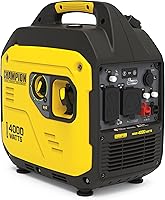
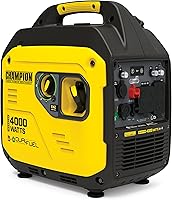
Does the Champion suit occasional RV power?
The Champion suits RV users and buyers powering a few essentials who want gasoline or propane operation. Its TT-30R RV outlet and inverter output with less than 3% total harmonic distortion suit that role.
It supplies 3000 running watts on gasoline or 2700 on propane. Use those continuous figures when adding loads, rather than treating the model's starting-watt number as power available all the time.
Skip it if your essential loads need more continuous output or you need a 120/240V home connection. Its CO Shield shutdown is a backup safeguard, not weather protection or permission to run near occupied spaces.
Where should you put a generator during a storm?
Use a dry, firm, level outdoor location where rainwater drains away. Keep the required distance from buildings, even if a closer spot has a roof.
Don't move it into a garage, basement, shed, or covered porch to escape rain. Our guide to whether you can run a generator in a garage explains why an open door doesn't solve the exhaust hazard.
Check the route before an outage: can you move the generator there, secure its shelter, and reach the controls without crossing water? Choose another location if a low spot or downspout could flood it.
Does the WEN suit smaller backup loads?
The WEN suits buyers carrying a generator to a prepared outdoor spot and running a modest set of essentials. It also has a TT-30R RV receptacle and USB ports for smaller devices.
It provides 2900 rated watts on gasoline or 2600 on propane. Skip it if your appliance total and motor-starting needs exceed its capacity; an RV receptacle doesn't mean it can power every RV load together.
Its fuel shutoff uses the remaining gasoline in the carburetor before stopping, helping reduce stale-fuel buildup during storage. Follow the manual's shutdown procedure rather than assuming every stop clears the fuel system.
How should you plan cords and electrical loads?
Choose outdoor-rated cords sized for the load and distance, then route them away from water and traffic. Longer runs need careful cord sizing, so check the generator and appliance instructions.
Keep plug connections dry and out of puddles. Don't pinch cords through doors, use damaged insulation, or bundle connections under a plastic bag where moisture can collect.
Add the running watts of appliances you need at the same time, then allow for the largest motor-starting demand. Our guide to what size generator you need helps you build that load plan.
Start with essential loads and add them in stages within the generator's limits. An overloaded generator won't become more useful because the outage lasts longer.
Which features help with home backup during rain?
More output and suitable outlets help serve home loads, but neither makes a generator rainproof. Select capacity and connections separately from your weather-protection plan.
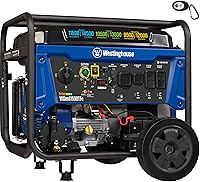
Does the Westinghouse suit a home backup setup?
The Westinghouse suits buyers needing more continuous power and a planned connection to selected home circuits. It provides 5300 running watts on gasoline or 4800 on propane, with a 120/240V selector and an L14-30R outlet.
Its included wheel kit helps with positioning, but its 135.6 lb weight makes stairs and lifting a serious planning issue. Skip it if your priority is carrying a compact generator between campsites or you only need a few small devices.
Have a qualified electrician arrange the home connection. Read whether you need a generator transfer switch, and never feed home wiring through a household wall outlet.
Rubber outlet covers don't make connected plugs waterproof. Its CO shutdown also doesn't protect against electrical shock.
What should you do if rain reaches a running generator?
Stop using it if you can shut it down safely. Rain falling on a functioning shelter differs from water reaching the equipment underneath it.
Use a dry shutoff only if you can reach it without touching wet equipment, crossing water, or approaching damaged wiring. Don't grab wet plugs to disconnect appliances.
If approaching is unsafe, keep people away and seek qualified help. Never enter floodwater to reach the unit or attempt to move a running generator.
Once it is off, leave it outdoors while it cools. Don't bring it inside to dry or restart it because the rain has stopped.
Can you refuel a generator in wet weather?
Refuel only after shutdown and cooling, following the manual's instructions. Keep water out of the fuel system, and don't change fuel connections while the engine is hot or running.
Plan fuel access so you don't need to remove essential weather protection over hot equipment. If conditions prevent safe refueling, keep the generator off until they improve.
Clean up spills as directed and let fuel vapors clear before restarting. Propane operation still requires safe cylinder placement and hose routing according to the manual.
For longer outages, use our guide to how long a generator can run continuously to plan fuel stops and maintenance breaks.
What care does a generator need after wet weather?
Check the area and equipment before reuse, and arrange service if water entered electrical parts or the engine. A dry exterior doesn't prove the inside is dry.
Inspect cords, plugs, and the shelter for damage after the equipment is safely de-energized. Clear debris from required airflow paths and check oil and other service items according to the manual.
Don't open electrical components or use a heater to dry internal parts. Flooded or submerged equipment needs qualified inspection before another start.
Once the generator is cool and dry, follow its storage and fuel-care instructions. Repair a leaking or unstable shelter before the next outage.
Can a generator run in the rain safely with your setup?
The answer to “can a generator run in the rain?” depends on keeping it dry with permitted protection in a suitable outdoor location. If your property can't support that setup, none of these models solves the problem.
Choose Champion for RV use and a few essentials, WEN for smaller loads with less weight to carry, or Westinghouse for higher-output home backup with a planned electrical connection.
Before buying, compare the wider options in our portable generator guide. Review generator carbon monoxide hazards when choosing the operating spot, since a dry location must also keep exhaust away from people.
Frequently asked questions
Can a portable generator run in light rain?
Don't run a portable generator exposed to light rain; wind and splashing can carry water into outlets, controls, and other electrical parts, creating a shock risk. Operate outdoors only with weather protection permitted by its manual, and stop using it if that protection no longer keeps the equipment dry.
Can I cover a generator while it is running?
Use only a running cover or shelter compatible with your generator and permitted by its manual; storage covers must come off before starting the engine. Keep all required cooling and exhaust openings clear, secure the shelter as directed, and check that water cannot collect around the unit.
What should I do if my generator gets wet?
Keep away from wet electrical parts and shut down only if you can reach a dry control safely; don't enter water or touch wet plugs to disconnect loads. Before restarting, follow the manual and get qualified service if water reached outlets, wiring, controls, or the engine.
Can I run a generator under a porch or carport in the rain?
Don't assume a porch or carport is a safe operating location; exhaust can reach doors, windows, or vents, and windblown rain can still wet the generator. Choose a separate outdoor location at least 20 feet from the home, follow greater manual clearances, and use permitted weather protection.