How Long Can a Generator Run Continuously?
How long a generator can run continuously depends on its operating limits, electrical load, and service schedule. Advertised tank runtime measures fuel use under stated conditions; follow the manual and stop and cool a gasoline generator before refueling.
On this page (9 sections)
- How long can a generator run continuously?
- What affects a generator's runtime?
- Can a portable generator run overnight?
- Should you turn off a generator to refuel it?
- How often should you check generator oil?
- Does a generator need a cool-down period?
- How can you run a generator safely for longer?
- How long can a generator run continuously on propane?
- Which generator should you choose for a longer run?
How long a generator can run continuously depends on its operating limits, electrical load, and service schedule. A portable gasoline model needs shutdowns for safe refueling and may need oil checks or service before its tank is empty.
The generators below advertise fuel runtimes of up to 10 to 12 hours under different conditions. Use those figures to plan fuel stops, then check the manual for required interruptions.
How long can a generator run continuously?
There is no single hour limit for every generator. The manual determines permitted operation, while fuel capacity and connected equipment determine how quickly a tank runs down.
Separate 3 things: hours per tank, maximum continuous operation, and hours between service tasks. A long fuel runtime answers only the first.
For example, an oil check may come due while fuel remains. Stop for that check rather than waiting for the engine to run dry.
A portable gasoline generator also differs from a permanently installed standby system. Our portable generator guide explains the main types before you compare them for extended use.
How long can a generator run continuously at light loads?
A lighter load generally stretches fuel runtime, but the generator still needs its scheduled checks. Compare runtime claims at the same load percentage whenever possible.
Champion gives the 2500W Ultralight Inverter up to 11.5 hours at 25% load on a 1.1-gallon tank. That load is about 463 watts, far below its 1850 running watts and 2500 starting watts.
Choose it for camping or a small group of low-draw devices when carrying weight matters. At 39.7 lb, it suits buyers who want more output than the Westinghouse below without moving up to the larger Champion.
Skip it if your equipment needs more continuous power or startup capacity than it supplies. Champion does not recommend this model for emergency home backup, so don't choose it as your main outage system.
What affects a generator's runtime?
Electrical load and usable fuel determine tank runtime; service needs determine required stops. Choose enough output for your equipment before comparing how many hours a tank lasts.
- Running watts: Add the power used by equipment that will operate together, including items that cycle on automatically.
- Starting watts: Motors can need a brief surge when starting. Leave room for that demand rather than filling the generator's continuous capacity.
- Load pattern: A refrigerator cycles, while a heater may draw power steadily. These patterns produce different fuel use even over the same number of hours.
- Fuel and tank size: Compare gasoline with gasoline and propane with propane. A larger tank alone doesn't prove better fuel efficiency.
- Operating conditions: Heat, altitude, and restricted airflow can affect available output or operation. Follow the manual's guidance for your location.
A useful comparison starts with your expected watts, not the largest number on the generator's name. See how to choose the right generator size before narrowing your choices.
For dual-fuel models, how long a generator runs on propane explains why cylinder size and load both matter.
Can a portable generator run overnight?
It may run overnight if the manual permits it and no fuel stop, oil check, or service will come due. Don't begin a long run with an unknown oil level or assume a maximum runtime claim guarantees power until morning.
Keep the generator outdoors at least 20 feet from the home, with exhaust facing away from doors, windows, vents, and nearby buildings. Never operate it in a garage or enclosed space, even with doors open.
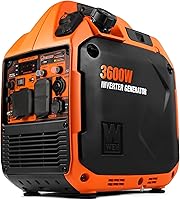
The Westinghouse iGen1500c 1500W Inverter suits buyers powering a few small devices. It supplies 1000 running watts and 1500 peak watts, with 2 household outlets and 2 USB outlets.
Westinghouse advertises up to 12 hours from its 0.79-gallon tank, but the load condition isn't specified here. That prevents a direct runtime ranking against Champion's quarter-load figures.
Choose it for low-demand use where compact power matters more than appliance capacity. Skip it if your planned loads or motor startup needs exceed its output; a long runtime cannot make up for too little power.
Read does a generator give off carbon monoxide before planning extended operation. CO shutoff features do not replace safe placement or working carbon monoxide alarms inside.
Should you turn off a generator to refuel it?
Yes, shut it down and let it cool before adding gasoline. Fuel spilled on hot parts can ignite, even if you only intend to add a small amount.
Disconnect equipment and follow the manual's shutdown sequence. Use an approved fuel container outdoors, keep flames and sparks away, and leave the expansion space the manual requires.
Plan the fuel stop before the tank runs empty. Keep a battery light nearby so you can see the controls and fill opening without moving the generator indoors.
After refueling, follow the restart procedure and reconnect equipment as directed. Avoid starting several motor-driven appliances at once.
How often should you check generator oil?
Check oil before use and at the intervals required by the manual. During a long outage, track engine hours so a fuel stop doesn't become your only maintenance reminder.
Stop the engine and follow the instructions for cooling, level ground, and reading the dipstick. Use the specified oil type and avoid overfilling.
A low-oil shutdown sensor is a backup feature, not a maintenance schedule. Keep the correct oil and basic service supplies available before an outage begins.
New engines may have an early first oil-change interval. Check that requirement before planning a full day of operation, and keep the air intake clear of leaves, snow, and debris.
Does a generator need a cool-down period?
It needs cooling before gasoline refueling and any other breaks specified in its manual. There is no universal rule to stop every few hours simply to give every generator a rest.
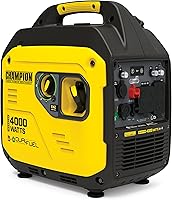
If you need more output for RV equipment, the Champion 4000W RV Inverter provides 3000 running watts and 4000 starting watts. Its 120V TT-30R outlet supports suitable RV connections, but you still need to stay within the generator's output.
Champion gives it up to 10 hours at 25% load on a 1.54-gallon tank. That means about 750 watts during the stated runtime, so the figure doesn't describe operation near full output.
Choose it over the smaller models when RV loads need the extra capacity. Skip it for a main emergency home-backup role, which Champion does not recommend for this unit.
How can you run a generator safely for longer?
Reduce unnecessary electrical demand and keep required shutdowns in your plan. Turning off unused equipment can save fuel, while proper placement and care help prevent avoidable interruptions.
Use outdoor-rated cords with enough capacity for the load and length. Protect cords from damage, and don't use a household outlet to feed generator power into your home's wiring.
For household circuits, read about a generator transfer switch and have a qualified electrician handle the connection. Decide which circuits matter before an outage forces a rushed setup.
Check the weather before starting. Our guide to running a generator in the rain explains the shelter problem; a tarp draped over a running generator can block airflow and trap exhaust.
Stop for leaks, warning lights, unusual sounds, or sudden changes in operation. Repeatedly restarting after a protective shutdown without finding the cause can turn a small problem into a larger one.
How long can a generator run continuously on propane?
Propane runtime depends on fuel supply, load, and the generator's operating limits. A larger cylinder can extend fuel availability, but oil checks and service still require stops.
All 3 generators discussed here use gasoline. If propane storage or fuel flexibility matters more to you, compare a suitable dual-fuel model instead.
Follow its instructions for cylinder size, connections, and tank changes. Keep cylinders upright and outdoors, and follow the required leak-check procedure before operation.
Use propane generator runtime planning to estimate fuel needs. Compare output on propane too, since a dual-fuel generator may have different power limits for each fuel.
Which generator should you choose for a longer run?
Choose capacity first, then compare runtime at your expected load. The longest advertised tank runtime is useful only when the generator can power your equipment and meet your service plan.
Pick the Champion 2500W for camping with modest loads and manageable carrying weight. Choose the Westinghouse for smaller device loads, or the Champion 4000W for RV equipment that needs more output.
For emergency home backup, keep looking beyond the 2 Champions here. Start with a written appliance list and the generator sizing guide, then choose a model intended for that role.
How long a generator can run continuously should guide your shutdown plan as well as your buying decision. Write down fuel stops and service intervals before relying on it for an extended outage.
Frequently asked questions
How long can a generator run continuously?
A generator can run only within its manual's operating limits and service schedule; tank runtime depends on fuel capacity and electrical load, but it does not set the engine's continuous-use limit. Plan shutdowns for refueling, oil checks, maintenance, and any cooling period the manufacturer requires.
Should I turn off a generator before refueling?
Yes, turn it off and let it cool before adding gasoline, because spilled fuel can ignite on hot engine parts. Disconnect loads and follow the manual's shutdown steps first; refuel outdoors away from flames and sparks, avoid overfilling, and handle any spill before restarting.
Can a portable generator run all night?
A portable generator may run overnight if its manual allows the operating hours and no fuel stop, oil check, or service is due. Keep it outdoors at least 20 feet from the home with exhaust facing away from openings, and use working carbon monoxide alarms inside.
Does a generator need a break?
A generator needs the stops required by its manual, rather than a universal rest schedule; these include refueling, oil checks, service, and any specified cooling period. Stop sooner if you see leaking fuel or oil, notice unusual noise, or get a warning that requires attention.