How Does a Dual Fuel Generator Work?
A dual fuel generator works by burning gasoline or propane in an engine that drives an alternator to make electricity. It uses one fuel at a time, with separate connections and model-specific steps for starting and switching.
On this page (8 sections)
- How does a dual fuel generator turn fuel into electricity?
- How do gasoline and propane connect to the generator?
- How do you start and switch a dual fuel generator?
- Does a dual fuel generator make the same power on both fuels?
- Which fuel lasts longer?
- What should you know about outdoor safety?
- What care and common mistakes matter most?
- Which dual fuel generator setup should you choose?
A dual fuel generator works by burning gasoline or propane in an engine that drives an alternator to make electricity. It uses one fuel at a time, so dual fuel means a choice of supplies, not double the power.
That flexibility helps when gasoline is hard to find or you prefer keeping propane for occasional outages. Choose around your appliances, fuel storage, and handling needs, because changing fuels can also change the available output.
How does a dual fuel generator turn fuel into electricity?
The engine converts burning fuel into rotating motion, and the alternator converts that motion into electrical power. Fuel choice changes how the engine receives fuel, while the basic power-making process stays the same.
Gasoline flows from the built-in tank through a system that mixes it with air before combustion. Propane comes from a separate cylinder through a regulator and hose, then enters the engine as gas mixed with air.
How does a dual fuel generator work with an inverter?
A dual fuel inverter generator adds electronics that convert and regulate the alternator’s output before power reaches the outlets. Dual fuel describes the fuel options; inverter describes the electrical design.
You can therefore buy a dual fuel generator with or without inverter technology. Read how an inverter generator works for more on that process and why it matters for electronics.
How do gasoline and propane connect to the generator?
Gasoline goes into the generator’s built-in tank, while propane needs a compatible cylinder, regulator, and hose connection. Use the fittings specified for your model rather than adapting a hose from another appliance.
Fill gasoline only with the engine off and cool, leaving the expansion space required by the manual. Keep propane cylinders upright outdoors, away from exhaust heat, and check connections for leaks using the manufacturer’s method.
Propane stores without the stale-gasoline problems that can affect a carburetor, making it useful for occasional backup. The cylinder still needs sound valves, suitable storage, and enough fuel for your plan.
Cold weather can reduce a propane cylinder’s ability to supply vapor, especially as it empties. Never heat a cylinder yourself to improve fuel flow.
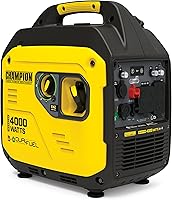
The Champion suits RV travelers who want inverter power and a built-in TT-30R connection. Its 51.8 lb weight and recoil start make it a better fit for buyers comfortable lifting that load and pulling a starter cord.
Skip it if your essential appliances exceed its output on your preferred fuel. An RV-style outlet gives you a connection, not a promise that every RV appliance can run together.
How do you start and switch a dual fuel generator?
Start with the correct fuel selected, the required oil level, and electrical loads disconnected as directed by the manual. There is no universal fuel-switching sequence, even between generators that look similar.
Use this setup order, then follow your model’s control instructions:
- Place the generator on a firm, level outdoor surface at a safe distance from buildings.
- Check oil, air intake, exhaust clearance, cords, and fuel connections.
- Select and prepare the fuel supply before starting the engine.
- Let the engine settle as directed, then connect appliances one at a time.
- Remove loads and follow the shutdown procedure before refueling or storage.
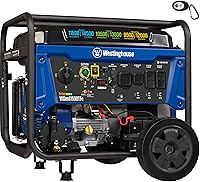
Some models allow fuel changes while running; others require shutdown. Westinghouse allows the WGen3600DFcv to change between gasoline and propane without stopping, but you must follow its changeover instructions.
Never loosen a propane fitting to make a changeover easier. If you smell gas, stop the startup process, move away, and follow the cylinder and generator emergency instructions.
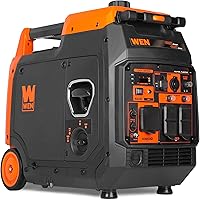
The WEN DF360iX suits occasional campers and backup users who value its 49 lb weight, tool-free LPG quick-connector, and fuel shutoff. WEN says the shutoff helps limit carburetor buildup by letting the engine consume remaining gasoline before stopping.
Skip it if you need more continuous output than it can deliver, especially on propane. The convenient connector simplifies setup, but you still need to inspect the connection before use.
Does a dual fuel generator make the same power on both fuels?
Usually, propane provides less continuous power than gasoline on the same generator. Size your loads using the fuel you expect to use most, rather than the largest number in the model name.
These are the continuous outputs for the 3 models discussed here:
| Generator | Gasoline running watts | Propane running watts |
|---|---|---|
| Champion 4000W Dual Fuel RV Inverter | 3,000 | 2,700 |
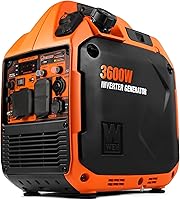
| WEN 3600W Dual Fuel RV Inverter | 2,900 | 2,600 |
| Westinghouse 4650W Dual Fuel RV Ready | 3,600 | 3,240 |
Starting or surge watts cover brief demand when equipment such as a refrigerator compressor starts. Running watts are the limit to use when adding appliances that stay on together.
For example, 2,400 watts of continuous demand leaves little room on a generator rated for 2,600 running watts on propane. A motor starting on top of that load could overload it, so reduce simultaneous demand or choose more capacity.
Check appliance labels and manuals rather than guessing from appliance size. Our guide to what size generator you need explains load planning, while what a 3000-watt generator can run covers common combinations.
The Westinghouse suits buyers who need the most continuous output of these 3 options and expect to leave the generator near its operating location. Its 4-gallon gasoline tank, fuel gauge, and hour meter help with fuel and maintenance planning.
Skip it if you expect frequent lifting: it weighs 108 lb. Buyers who specifically want inverter technology should choose the Champion or WEN instead of this open-frame model.
Which fuel lasts longer?
Neither fuel always lasts longer, because run time depends on load and fuel quantity as well as the generator. Compare equal conditions before treating a long runtime figure as a buying advantage.
Champion gives up to 10 hours from its 1.54-gallon gasoline tank or up to 25 hours from a 20 lb propane cylinder, both at 25% load. Those figures compare different fuel quantities, and neither predicts operation near full output.
Plan refueling around your expected demand, with spare fuel stored safely. An air conditioner or electric heater can shorten operating time much more than lights and chargers.
Read how long a generator can run on propane for cylinder planning. For service stops and operating limits, see how long a generator can run continuously.
What should you know about outdoor safety?
Run the generator outdoors, at least 20 feet from your home, with exhaust pointed away from doors, windows, and vents. Both gasoline and propane produce carbon monoxide, an odorless gas that can be deadly.
The CDC’s generator safety guidance explains placement and the need for battery-powered or battery-backup CO alarms indoors. Keep exhaust away from neighboring buildings and occupied RVs as well.
All 3 models include CO shutdown protection, but a sensor cannot make an unsafe location safe. Read how generators give off carbon monoxide for more on exhaust risks.
Keep the generator dry without enclosing it or blocking ventilation. Our guide to whether a generator can run in the rain explains weather precautions.
Never connect generator output to a household wall outlet. For power through home circuits, arrange a suitable connection with a qualified electrician and read whether you need a generator transfer switch.
What care and common mistakes matter most?
Maintain the engine even when you mainly use propane, and follow the manual’s service schedule. Propane operation does not remove the need for oil changes, air-filter care, spark-plug checks, or hose inspections.
Track operating hours so a long outage does not push maintenance past its interval. Check oil as instructed, and never treat automatic low-oil shutdown as a substitute for routine checks.
Before storage, follow the gasoline treatment or draining procedure for your model. A fuel-shutoff feature helps clear the carburetor, but it does not empty the tank or protect every fuel-system part.
Avoid these common planning mistakes:
- Buying by surge watts: choose continuous capacity first, then allow for motor startup.
- Overloading after switching fuels: account for lower propane output before changing over.
- Comparing unmatched runtime figures: check load percentage and fuel quantity.
- Assuming an RV outlet means full RV power: manage air conditioning, cooking, and heating loads.
- Using an undersized extension cord: match cord capacity and length to the appliance and manual.
Which dual fuel generator setup should you choose?
Choose the Champion for RV use with inverter power, the WEN for lighter lifting and its propane connector, or the Westinghouse for higher continuous output. If none has enough capacity on your preferred fuel, move to a larger model.
The practical answer to “how does a dual fuel generator work” is that fuel flexibility gives you another way to supply the same engine. Buy enough output for your loads, then choose the fuel you can store and replenish safely.
Compare our best dual fuel generators for more choices, or read dual fuel versus gas-only generators if you're still weighing that flexibility. Use the portable generator guide to plan cords, connections, and the rest of your setup.
Frequently asked questions
How does a dual fuel generator work?
A dual fuel generator burns gasoline or propane to run an engine that drives an alternator. It normally uses one fuel at a time, rather than blending both together, and its fuel selector and connections control which supply feeds the engine during operation.
Can you switch fuels while a dual fuel generator is running?
Some dual fuel generators allow switching while running, but others require shutdown first. Follow the exact sequence in your model’s manual, including any instructions to disconnect loads or close fuel valves, and never assume another generator’s changeover steps apply to yours.
Does propane make a dual fuel generator run longer?
Propane can give a longer run time with a suitable cylinder, but it does not always last longer than gasoline. Compare the same model at the same load, check how much fuel each figure assumes, and allow for weather and changing appliance demand.
Is a dual fuel generator safe to use indoors?
No, a dual fuel generator must operate outdoors, at least 20 feet from your home, with exhaust directed away from doors, windows, and vents. Both fuels produce carbon monoxide, and neither an open garage door nor an automatic CO shutoff makes indoor operation safe.