Champion vs Westinghouse Generators: Which Should You Buy? (November 2026)
In this Champion vs Westinghouse generator comparison, choose Champion for RV travel and lighter loads or Westinghouse for larger home backup loads. Match your fuel-specific power needs and connection plan before choosing.
On this page (11 sections)
- Champion vs Westinghouse generator: which has more power?
- Which generator is easier to move?
- Which is better for RV use?
- Which is better for home backup?
- Should inverter power decide the purchase?
- Is gasoline or propane the better choice?
- What should you do before the first start?
- What safety rules apply to both generators?
- How should you care for a generator between uses?
- Which buying mistakes should you avoid?
- Should you buy the Champion or Westinghouse generator?
Choose Champion for RV travel and lighter loads, or Westinghouse for a larger home backup plan. This Champion vs Westinghouse generator comparison comes down to carrying weight, usable power and the connections your appliances need.
These are different types of generator, rather than equal-size rivals. The Champion is a portable inverter, while the Westinghouse is a heavier open-frame model with more output and a household transfer connection.
Start with what must stay powered, then decide how you'll move and connect the generator. Extra capacity helps only if you need it and can get the machine to a safe operating spot.

 Best for essential home circuits
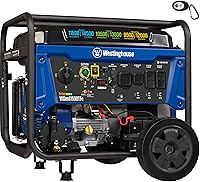
Westinghouse 6500W Dual Fuel Home Backup
Champion vs Westinghouse generator: which has more power?
Westinghouse supplies more continuous power on either fuel, making it the better choice for several essential loads running together. Champion fits a smaller load plan where you can manage high-draw appliances one at a time.
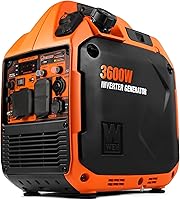
The Champion delivers 3000 running watts on gasoline or 2700 on propane, with 4000 starting watts on either fuel. The Westinghouse delivers 5300 running watts on gasoline or 4800 on propane, with respective peak outputs of 6500 and 5800 watts.
Running watts support steady demand; starting watts cover brief surges. A refrigerator compressor or pump can need extra power to start even when its normal draw seems modest.
Which Champion vs Westinghouse generator fits your load?
Choose the model that covers your combined running demand plus the startup surge that can occur while other loads are operating. Don't compare an appliance's startup demand with the generator's peak number in isolation.
Make a list of essential appliances and record their running and starting requirements from their labels or manuals. Include equipment that cycles automatically, since you won't always control when it starts.
Our generator sizing guide explains the calculation. Leave room for changing demand rather than planning to use every available watt continuously.
A refrigerator, lights and chargers call for a different plan than those same items plus a pump and cooking appliance. For either model, pause optional loads before adding a large one.
Which generator is easier to move?
Champion is the practical choice for frequent lifting, while Westinghouse suits a mostly level route from storage to an outdoor operating area. Consider the route before choosing by output alone.
The Champion weighs 51.8 lb, compared with 135.6 lb for the Westinghouse. The Westinghouse includes a wheel kit and never-flat wheels, which help with rolling but don't solve stairs or vehicle loading.
Walk the full path you expect to use during an outage. Check door widths, gravel, slopes and any threshold that could stop a heavy machine.
For RV travel, include the propane cylinder, cables and other gear in your loading plan. The generator's weight is only part of what you'll handle and secure.
Skip the Westinghouse if every use requires lifting it into a tall cargo area without suitable help or equipment. Skip the Champion if easier carrying would leave you short of the power you actually need.
Our guide to portable generators and their main types explains where these designs fit among other options.
Which is better for RV use?
Champion is the better fit for RV travelers who move often and can manage their appliance demand. Its inverter output and lower carrying weight suit repeated loading and unloading.
It has a 120V 25A TT-30R outlet, a household duplex outlet with less than 3% total harmonic distortion, and a 12V automotive-style outlet. The RV-shaped connection doesn't mean every appliance in the trailer can run together.
Pay special attention to air-conditioner startup demand. Check the actual equipment requirements, then account for anything else drawing power, including appliances or chargers you might forget are on.
The Westinghouse also has an RV-ready TT-30R 30A outlet. Its extra capacity can help with a larger load plan, but total generator output isn't all available through one receptacle.
Outlet limits, generator limits and the RV's electrical limits all apply. Use the connection instructions for both the generator and trailer rather than choosing an adapter by shape alone.
Champion specifies 64 dBA from 23 ft. Check campground generator hours and sound rules before buying, since no generator's advertised sound figure overrides site restrictions.
See our generator guide for RVs if your trailer's power demand calls for a different size or layout.
Which is better for home backup?
Westinghouse is the stronger choice for planned household backup, especially when essential circuits need a transfer connection. Champion works better for a smaller group of appliances connected within its outlet limits.
The Westinghouse has an L14-30R 30A transfer-switch-ready outlet and a 120/240V selector. These features support a more flexible connection plan, but they don't make it a whole-house power source.
Have a qualified electrician choose and install compatible transfer equipment. Never connect a generator to household wiring through a wall outlet or a cord with exposed energized prongs.
Before choosing, identify any essential load that needs 240V. The Champion's 120V connections won't serve that requirement, even if the appliance's wattage looks manageable.
For smaller backup needs, direct appliance connections may be enough. Plan suitable outdoor-rated cords, their load limits and a safe route that doesn't pinch them in doors or create a trip hazard.
A useful household plan separates must-run loads from optional ones. Refrigeration and essential equipment take priority over convenience appliances that can wait.
Our home backup generator guide helps organize those priorities. Read whether you need a generator transfer switch before choosing how to serve household circuits.
Should inverter power decide the purchase?
Choose the Champion when its inverter output is a priority and its capacity covers your loads. Choose the Westinghouse when household connections and greater available power matter more to your plan.
The Champion's low-distortion output is useful when evaluating power requirements for electronics. Still, follow each device manufacturer's instructions, especially for equipment with specific power-quality requirements.
The Westinghouse has automatic voltage regulation. That feature and inverter technology aren't interchangeable descriptions, so don't assume the two models have identical electrical output characteristics.
Our inverter versus regular generator guide explains the design differences. Use that distinction alongside wattage and connections, rather than treating the word “inverter” as the whole buying decision.
Champion also supports an optional parallel kit for connection with compatible Parallel Ready Champion equipment. The kit is sold separately, so include the extra equipment and connection requirements in any expansion plan.
Is gasoline or propane the better choice?
Choose fuel around your storage plan and expected loads, then size the generator for that fuel. Both models support gasoline and propane and include a propane hose.
Propane can simplify keeping reserve fuel because stored propane doesn't go stale like gasoline. You'll still need suitable cylinders, safe outdoor storage and a way to obtain replacements during an outage.
Gasoline gives both models their higher continuous output. If your plan only fits on gasoline, a switch to propane will require dropping some loads.
Think about the full outage, rather than only the first tank. A nearby fuel source is helpful only if it remains accessible when roads, stores or electricity are disrupted.
Follow the manual's fuel-switching sequence instead of improvising while appliances remain connected. Our guide to how dual-fuel generators work explains the trade-offs in more detail.
How long can each generator run?
Runtime figures are planning limits, not fixed promises for your appliance mix. Higher demand uses fuel faster, so compare operating conditions before judging which model lasts longer.
Champion claims up to 10 hours on a full 1.54-gallon gasoline tank or 25 hours on a 20 lb propane tank, both at 25% load. Those figures describe light-load operation rather than use near full capacity.
Westinghouse claims up to 14.5 hours on gasoline from its 4.7-gallon tank. Without matched loads and conditions, those numbers don't guarantee a direct fuel-efficiency winner.
Plan a shutdown window and reserve fuel before an outage begins. Our guide to how long a generator can run continuously explains why runtime and maintenance intervals need separate attention.
What should you do before the first start?
Read the manual, complete assembly and check the oil before starting either generator. Included oil doesn't mean the engine is already filled to the correct level.
The Champion includes oil and a funnel and uses a recoil start. Make sure you can use a manual pull start comfortably before committing to this model.
The Westinghouse includes oil, a funnel, propane hose, tool kit and wheel kit, with minimal assembly required. Fit its transport equipment as instructed before relying on it to move the machine.
Set the generator on a stable, level outdoor surface with the required clearances. Keep the exhaust directed away from occupied areas and openings.
Before attaching loads, confirm the fuel connection, oil level and control settings. For the Westinghouse, follow the manual's instructions for the voltage selector and connected equipment.
Learn the startup and shutdown sequence during calm weather. Label your cords and write a short load-priority list so another household member can follow the plan.
What safety rules apply to both generators?
Both generators must run outdoors, well away from occupied spaces, despite their automatic carbon monoxide shutdown systems. Champion uses CO Shield, and Westinghouse also has automatic CO shutdown.
Never operate either in a garage, shed or other enclosed space, even with doors open. Maintain working CO alarms inside the home and follow the manual's placement instructions.
Read our guide on generator carbon monoxide risks before deciding where the machine will run. If exhaust could enter a nearby home or RV, choose a different location.
Keep the generator and electrical connections dry without enclosing the engine. Our article on using a generator in rain explains why weather protection must also preserve ventilation and clearances.
Stop the engine and let it cool as instructed before adding gasoline. Keep fuel containers away from hot surfaces and ignition sources, and avoid routing cords or hoses near the exhaust.
If a CO system shuts the generator down, investigate the location and exhaust conditions before restarting. Don't bypass a protective system to keep appliances running.
How should you care for a generator between uses?
Follow the model's maintenance schedule and store it ready for the next outage, rather than waiting until power fails. Engine hours and elapsed time can both matter for service.
Check oil as instructed and use the specified oil type and quantity. The Westinghouse has automatic low-oil shutdown, but that protection doesn't replace routine level checks.
Follow the manual's guidance for oil changes, air-filter care, spark-plug service and storage. Record service dates and operating hours so maintenance doesn't depend on memory.
For gasoline storage, follow the engine's fuel-treatment or draining instructions. For propane, inspect the hose and fittings as directed and store cylinders in an approved outdoor location.
Champion backs its model with a 3-year limited warranty and free lifetime technical support. Westinghouse provides 3-year limited service, labor and parts coverage, so read the terms and keep your purchase and service records.
Which buying mistakes should you avoid?
Avoid choosing by the largest number on the generator's name. Peak output can't replace the continuous power needed by appliances that stay on.
Don't assume a matching RV plug guarantees enough power for air conditioning and cooking at once. Count background loads, then confirm both startup demand and the receptacle's limit.
Don't treat wheels as a substitute for a transport plan. A machine that rolls easily on a driveway may still be difficult to move across your yard or load for travel.
Don't buy parallel equipment for the Champion without checking compatibility. Expansion requires the correct equipment, rather than simply connecting two generators together.
Finally, don't spend all your planning effort on the machine. Safe cords, fuel storage, weather protection and a household connection plan determine whether you can use it when needed.
Should you buy the Champion or Westinghouse generator?
Choose Champion if frequent travel and a manageable load list define your use. Choose Westinghouse if you need more simultaneous household capacity and can support its weight, storage and connection needs.
Skip the Champion when an essential 240V load or a larger appliance mix exceeds its capabilities. Skip the Westinghouse when frequent lifting is unavoidable and your actual demand fits a lighter generator.
For your Champion vs Westinghouse generator decision, write down the must-run loads, preferred fuel and safe operating location before ordering. Use our generator sizing guide to turn that list into a clear capacity requirement.
Manufacturer references: Champion 201050 specifications and Westinghouse WGen5300DFcv specifications.
Frequently asked questions
Which is better, Champion or Westinghouse?
For these two models, Champion is better for frequent RV travel, while Westinghouse is better for larger backup loads. Choose around your appliance demand, connection needs and ability to move the machine; this comparison covers specific generators, so it doesn't make one brand the winner across every model.
Can both generators run on propane?
Yes, both run on gasoline or propane and include a propane hose; each delivers less continuous power on propane, so size your loads using the output for your chosen fuel. Follow the manual for cylinder connections and fuel changes, and keep the cylinder upright in its required outdoor position.
Can the Westinghouse connect to a transfer switch?
Yes, the Westinghouse has an L14-30R 30A transfer-switch-ready outlet for compatible equipment. A qualified electrician should select and install the household connection and confirm which circuits it can serve; the outlet alone doesn't connect your house, and the generator's capacity still limits what you can run together.
Is the Champion generator quieter?
Champion specifies 64 dBA from 23 ft, but there isn't a matching Westinghouse sound figure here to establish a noise winner. Compare measurements at the same distance and load before choosing on noise alone; campground rules and the distance from neighboring sites also matter when planning where to operate.
Do these generators have carbon monoxide shutoff?
Yes, both have automatic carbon monoxide shutdown, but either generator must still operate outdoors. Keep it away from doors, windows and vents, follow all placement instructions, and maintain working CO alarms indoors; never use a garage or shed as an operating space, even with the door open.